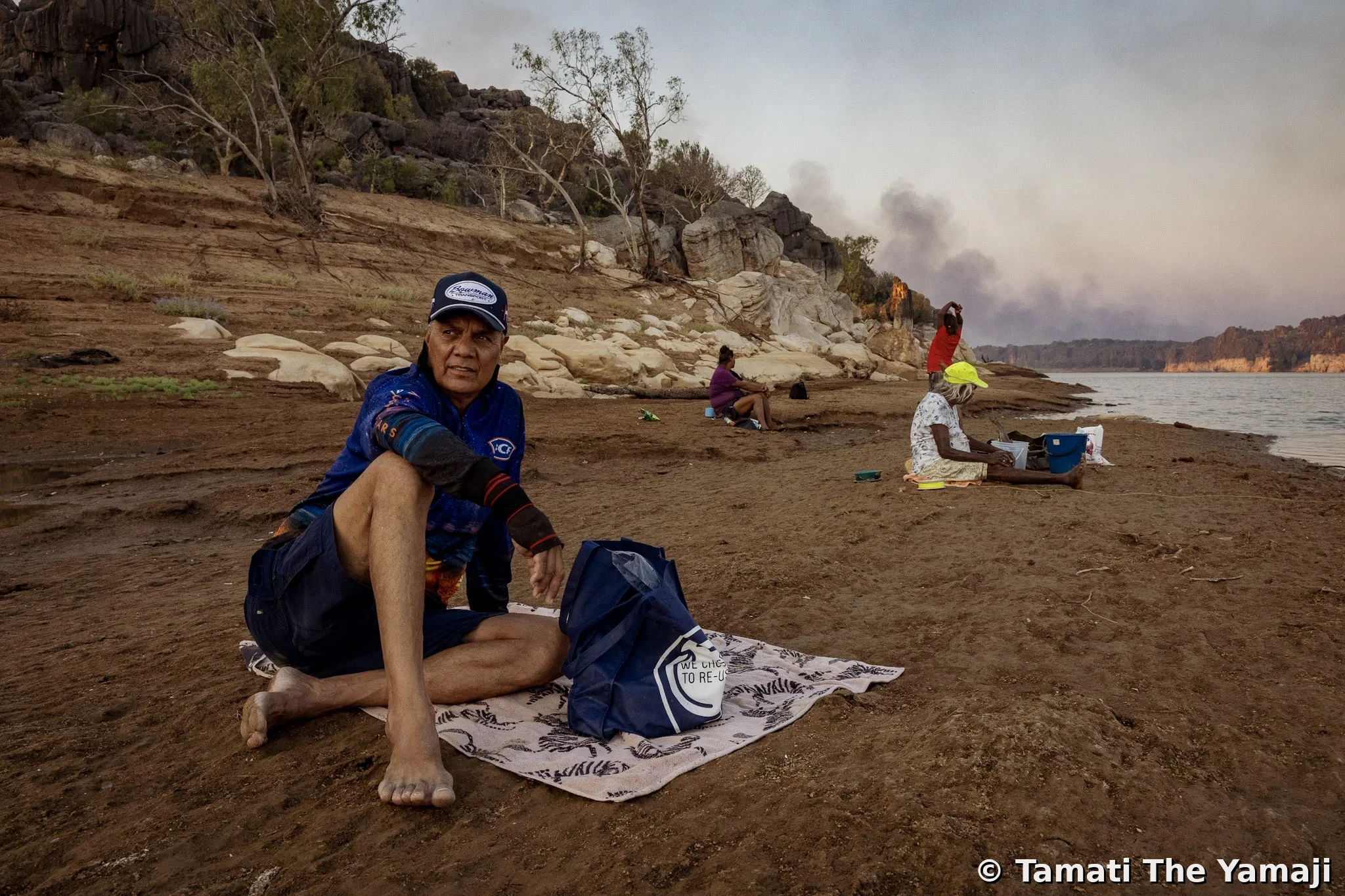
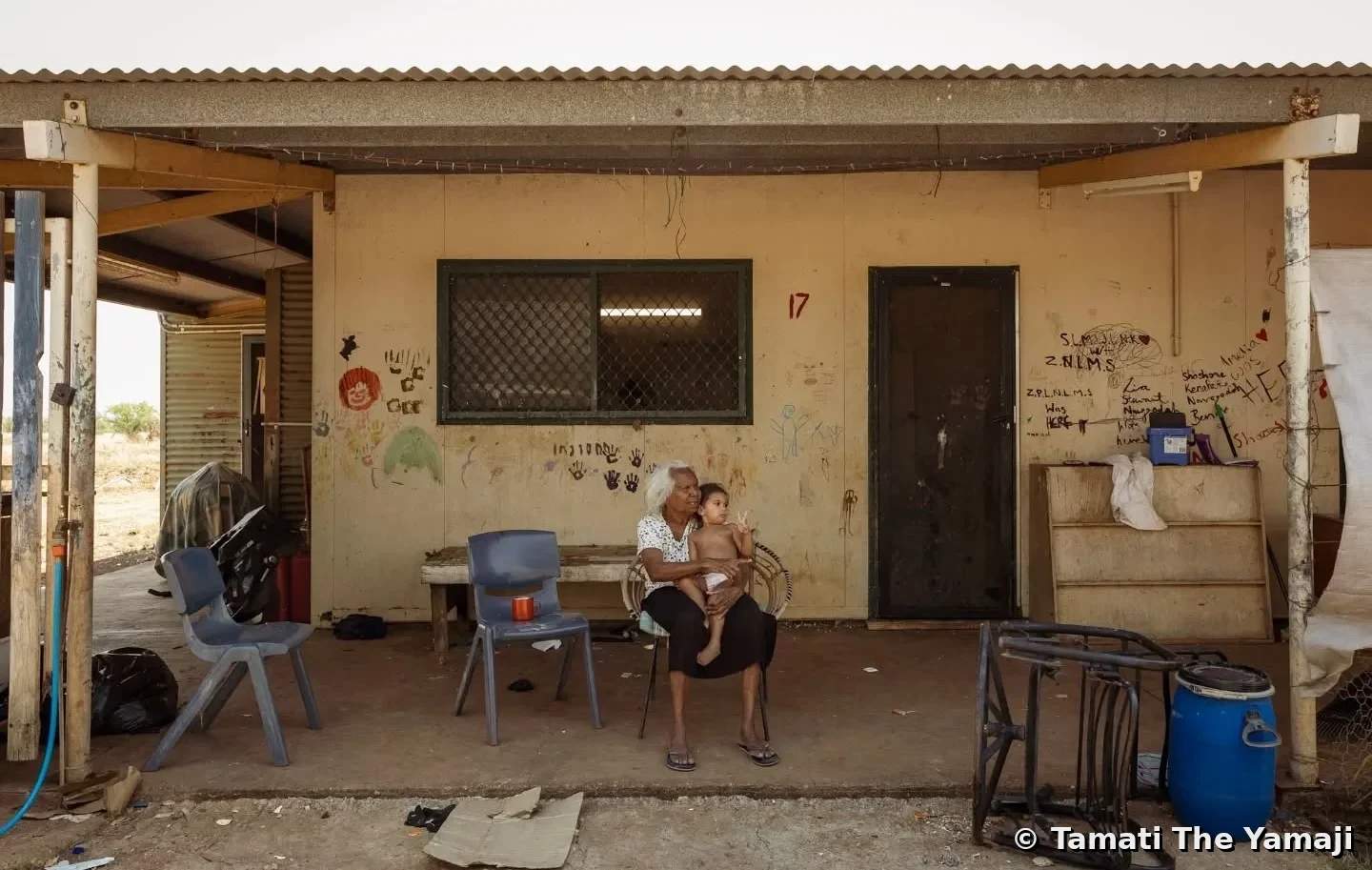
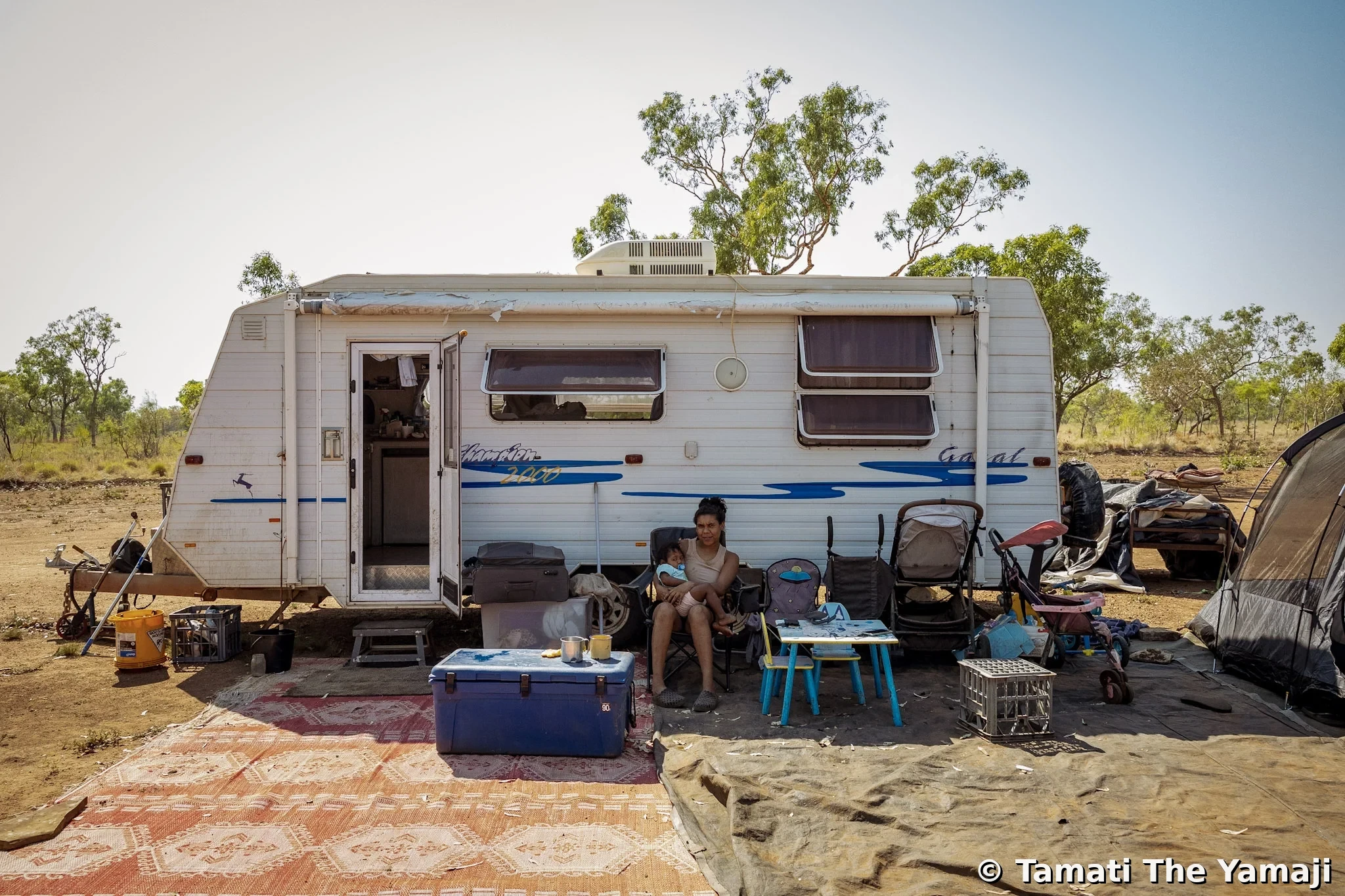
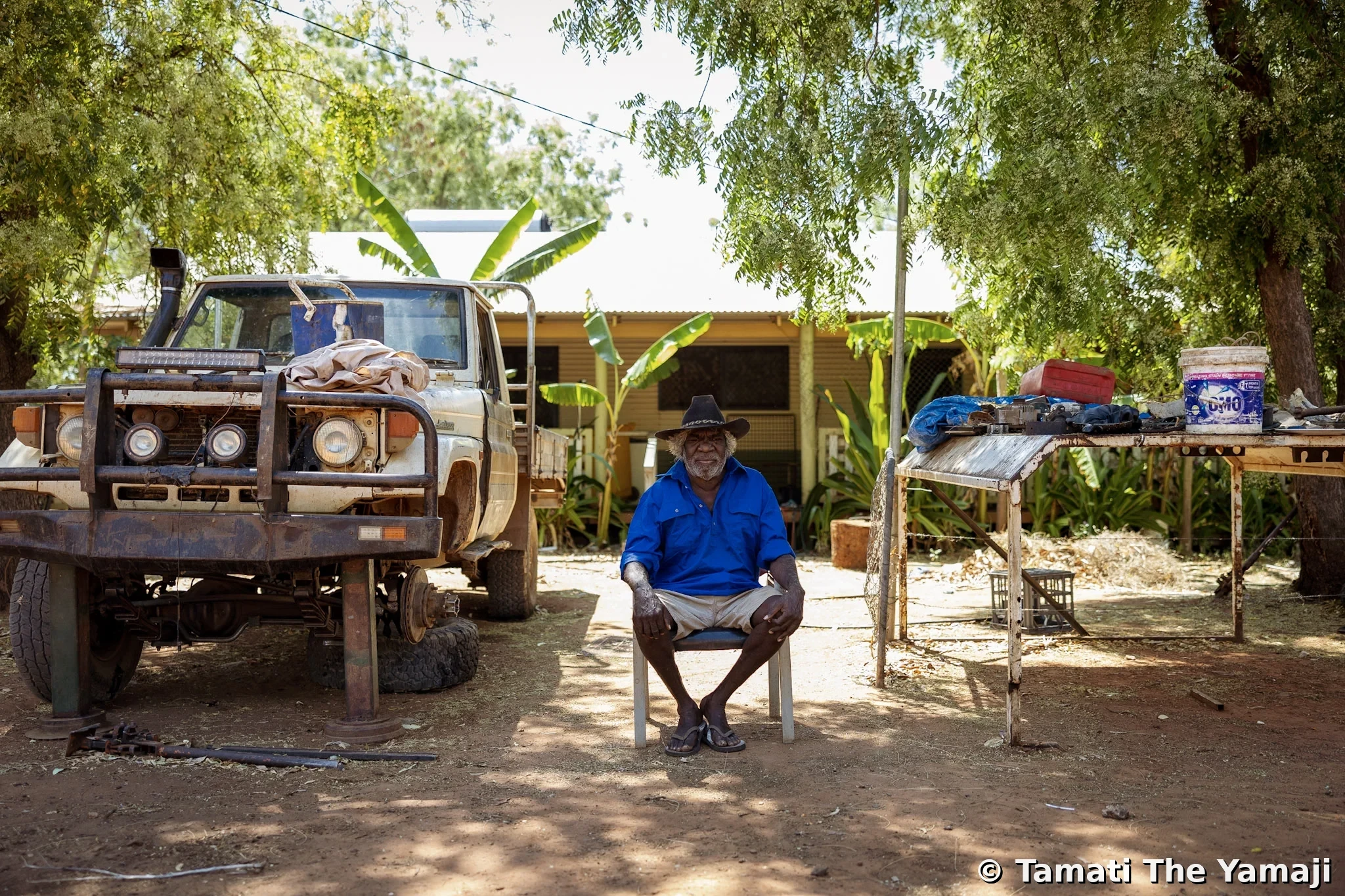
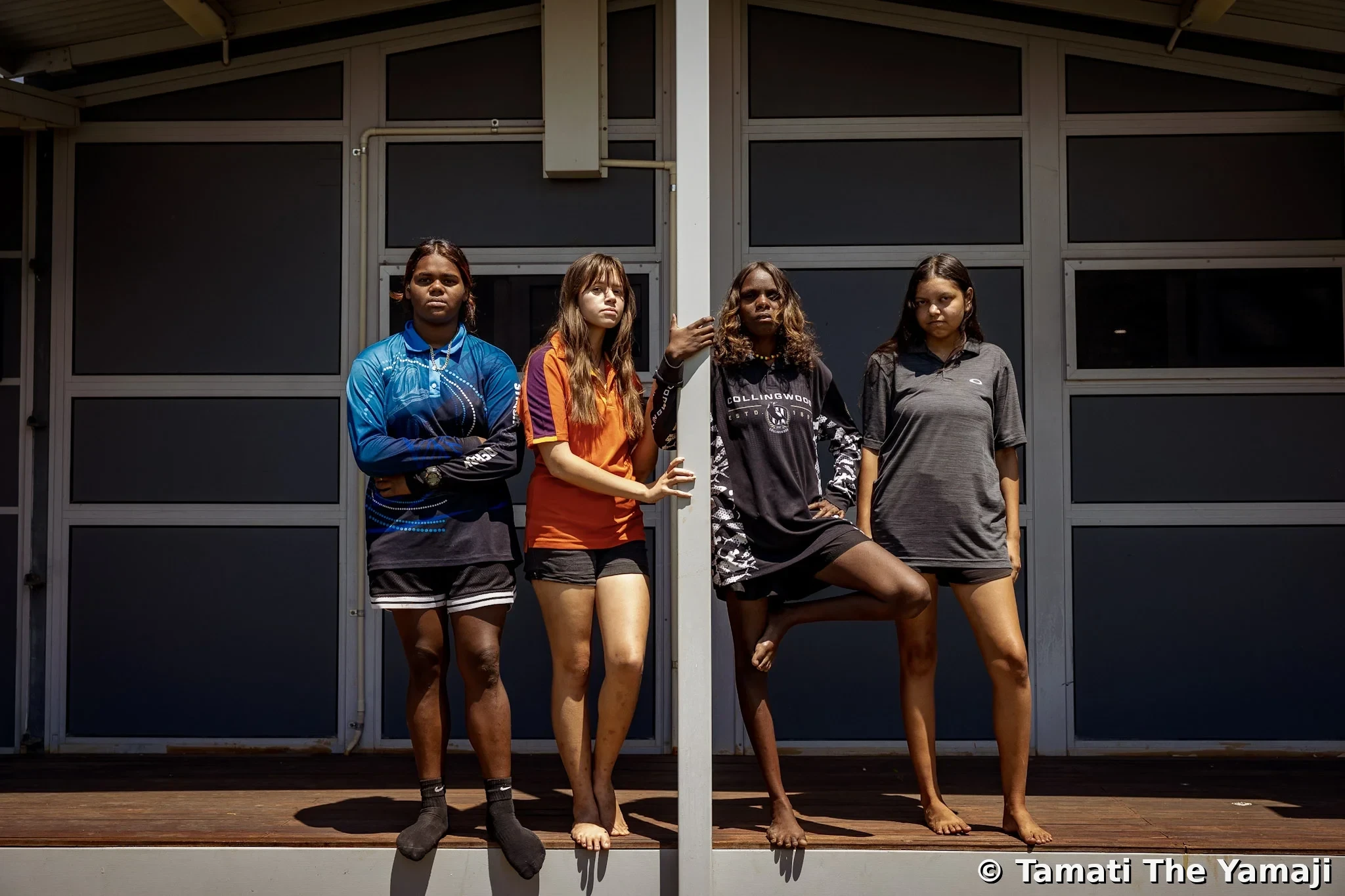
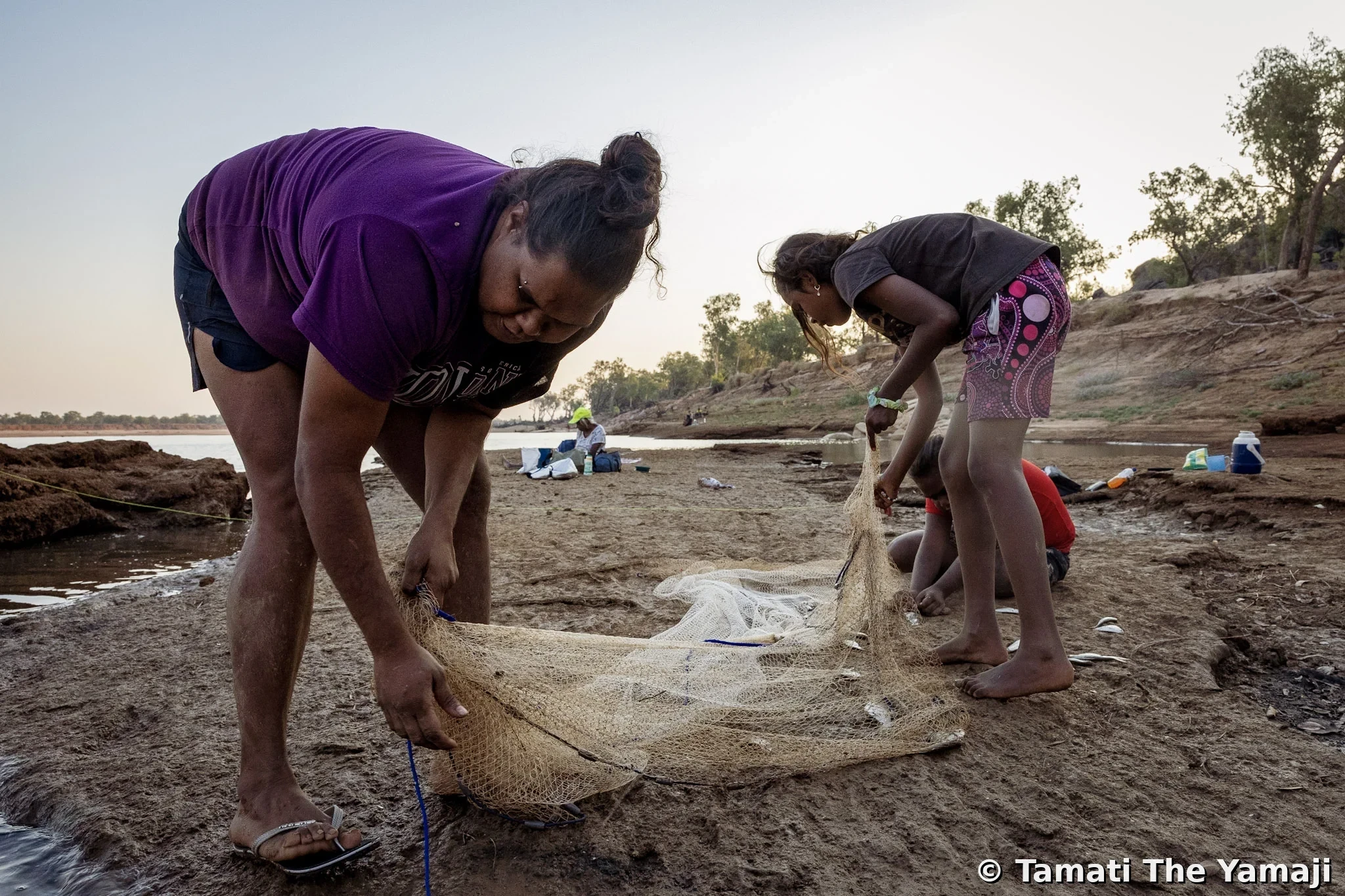
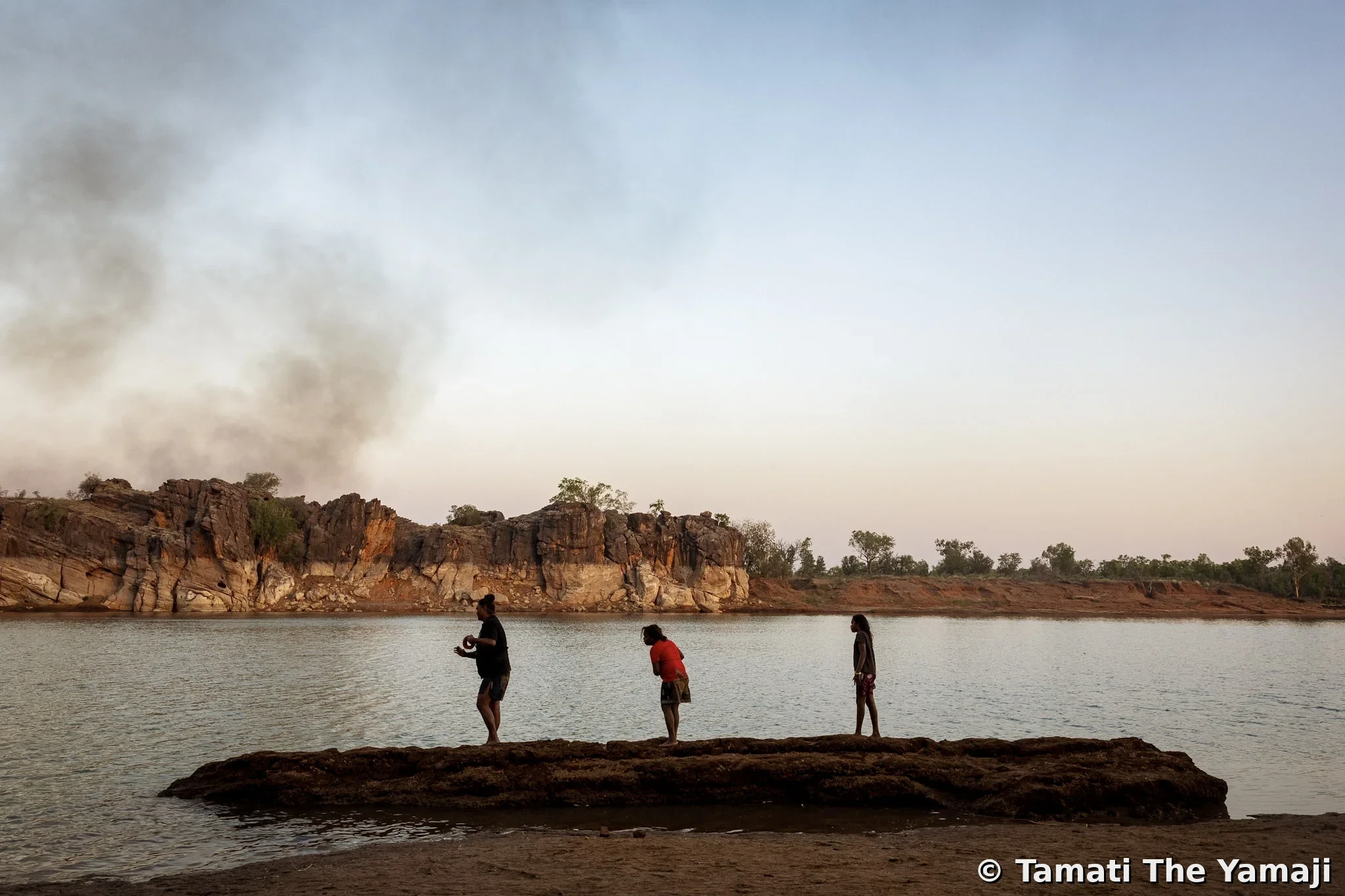
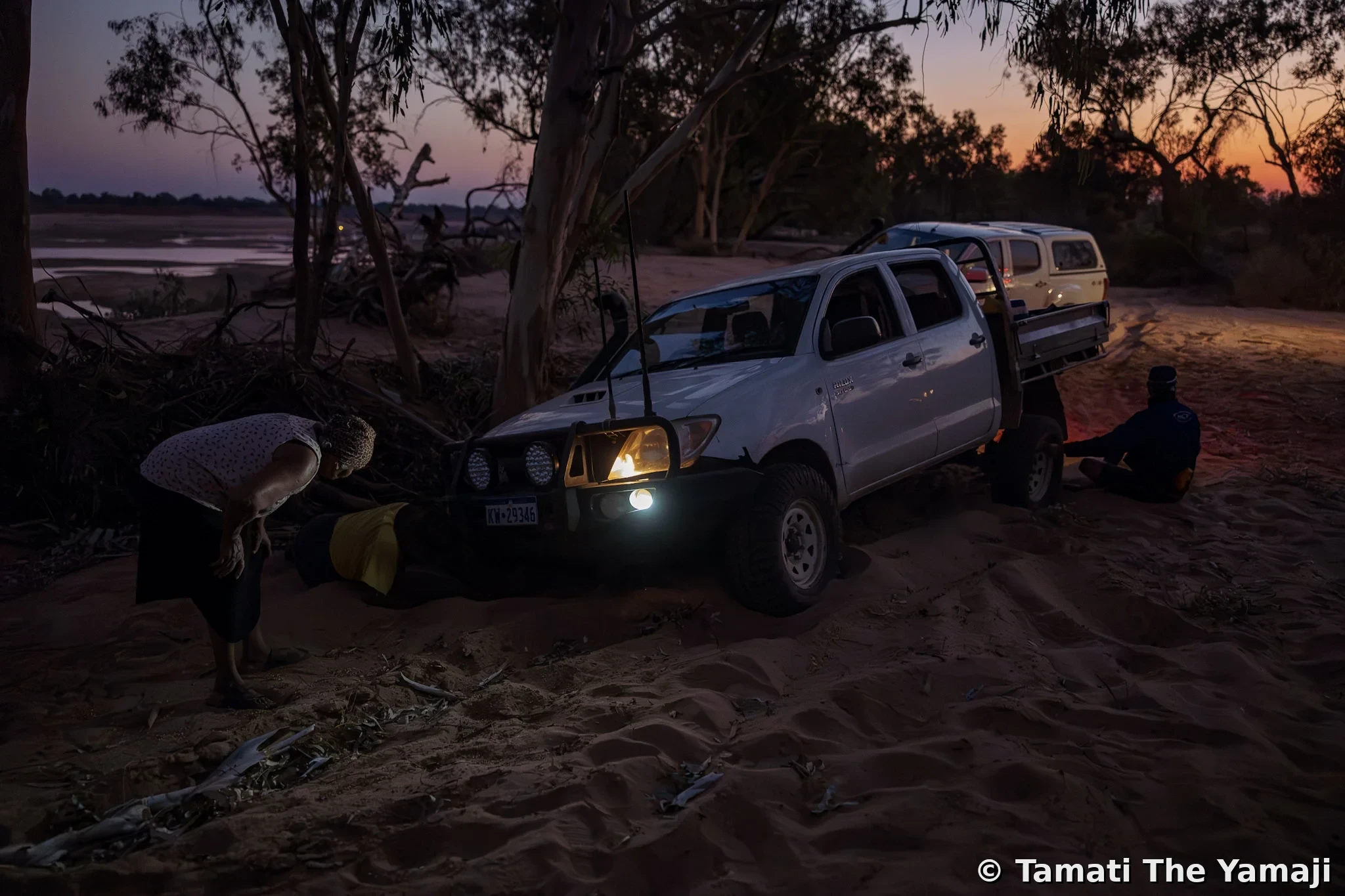
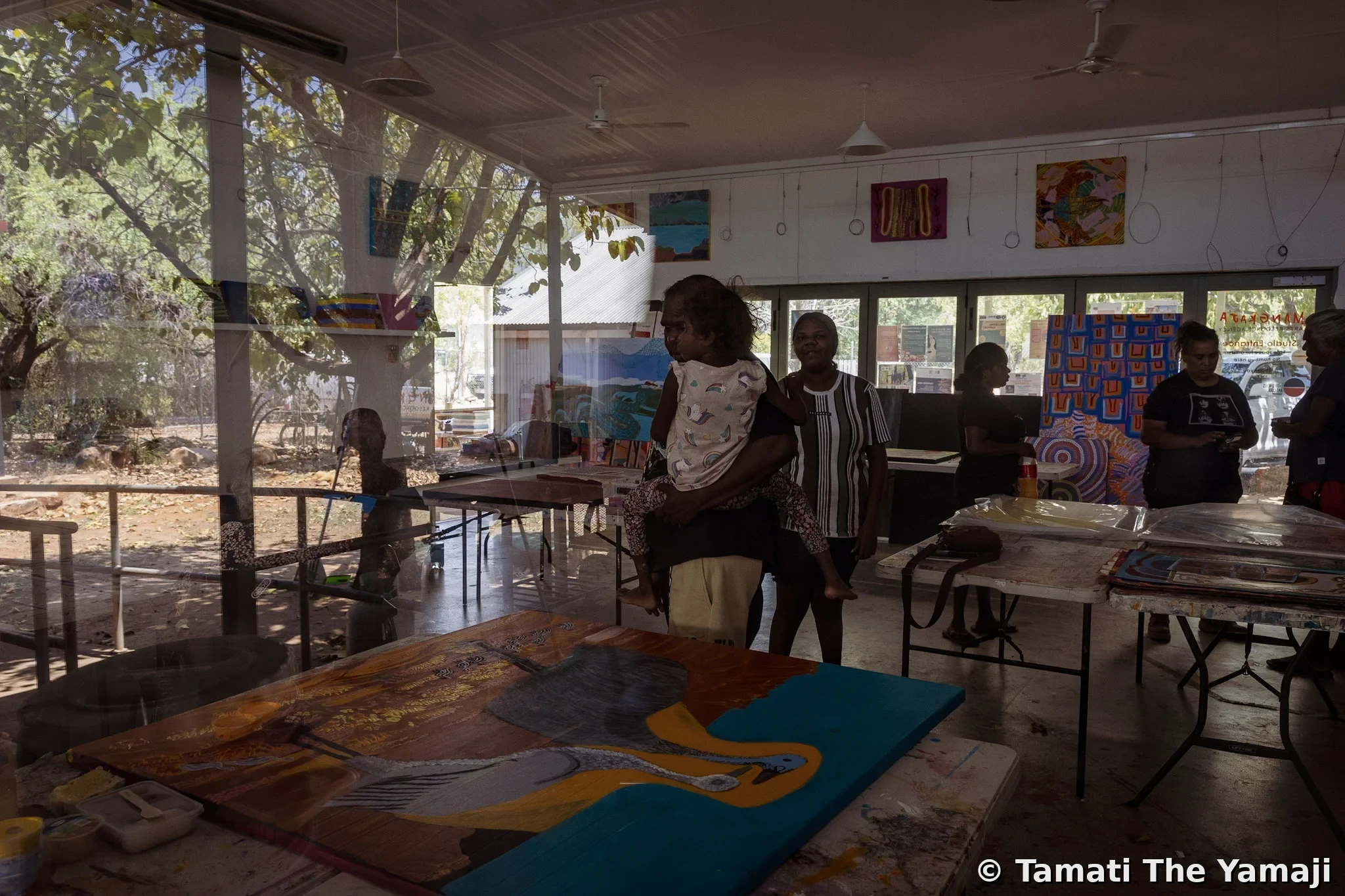
Sitting on the banks of the Fitzroy River in remote Western Australia, watching a plume of smoke swirling into the air from a distant wildfire, the Aboriginal elder lamented how his parents’ generation worked for sugar, flour and tea, not wages, and his community now relies heavily on welfare after employment programs were withdrawn by the government.
But, “we’ve got something coming,” said Hector Angus Hobbs, 67, who is a member of the Walmajarri tribe. “We’re going to win.”
His unwavering optimism will be tested on Saturday, when the nation votes on a referendum that would give Indigenous Australians a voice in Parliament in the form of an advisory body.
The proposal, polls show, is broadly supported by the country’s Indigenous people, who make up about 4 percent of the nation’s population. Many of them see it as a sign of Australia taking a step to do right by them after centuries of abuse and neglect. Mr. Hobbs and many of his neighbors in the town of Fitzroy Crossing believe it would help with everything from solving everyday issues like repairs for houses, to moving the needle on weighty aspirations like reparations.
Words by Yan Zhuang and Photography by Tamati Smith for The New York Times.